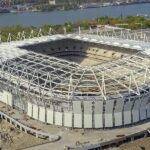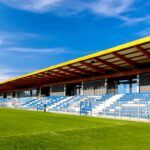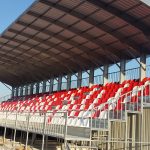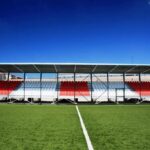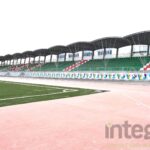
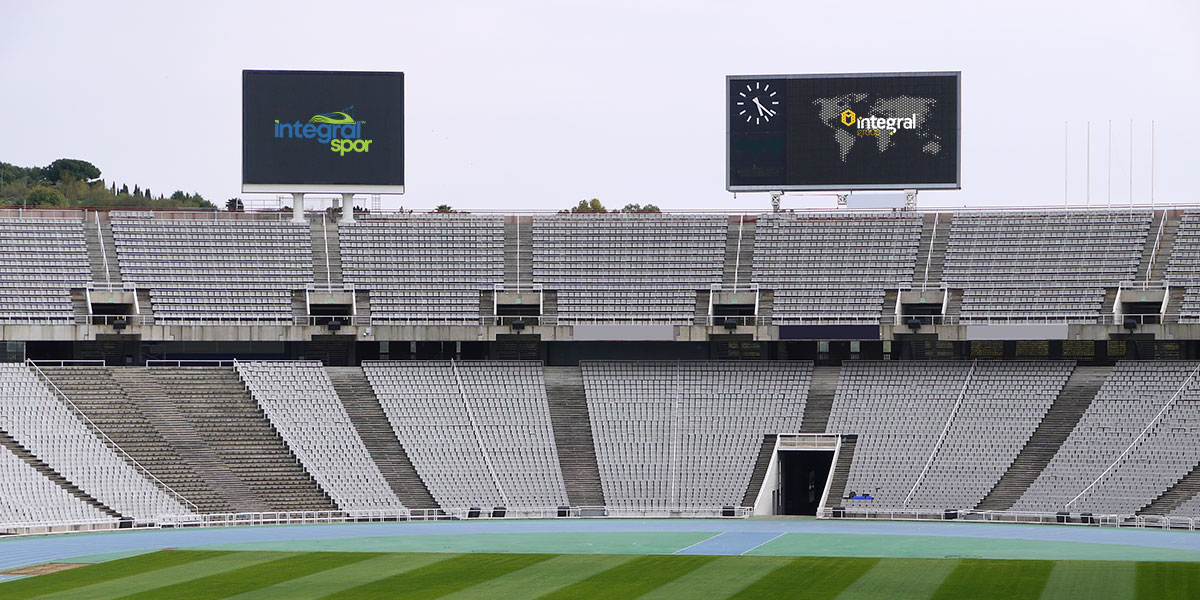
Stadiums today are more than sports venues—they are vibrant, multifunctional hubs that shape the social and economic identity of modern cities. A 25,000 seat stadium is especially valuable for cities aiming to host national competitions, cultural events, and community gatherings while maintaining cost efficiency and long-term sustainability.
In this comprehensive guide, we explore the full stadium construction process and explain what it takes to successfully complete the construction of a 25,000 seat stadium, from site analysis to finishing touches.
1. Initial Planning and Site Evaluation
The foundation of any successful stadium project is proper planning. During the first stage, architects and engineers conduct detailed assessments of the proposed site to determine its suitability.
Key considerations include:
- Soil stability, load-bearing capacity, and geological structure
- Climate conditions, topography, and natural water flow
- Access to transportation networks and city infrastructure
- Zoning rules, environmental impact studies, and legal permits
After this evaluation, the stadium’s key specifications—capacity, shape, structural dimensions, and infrastructure needs—are defined as part of the master plan.
2. Groundwork, Infrastructure, and Foundation Construction
A 25,000 seat stadium requires strong structural support. For this reason, the groundwork and foundation stage is one of the most critical parts of the project.
Core tasks in this phase include:
- Soil improvement: Weak soils are strengthened through compaction, filling, or stabilization methods.
- Drainage installation: PVC drainage lines and underground channels are placed to prevent water accumulation.
- Electrical and mechanical connections: Infrastructure for lighting systems, sound equipment, scoreboards, emergency exits, and fire safety systems is prepared.
Once the ground is fully reinforced, the stadium’s steel skeleton can begin rising.
3. Grandstand Engineering and Structural Systems
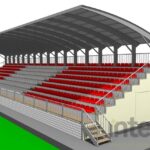
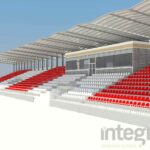
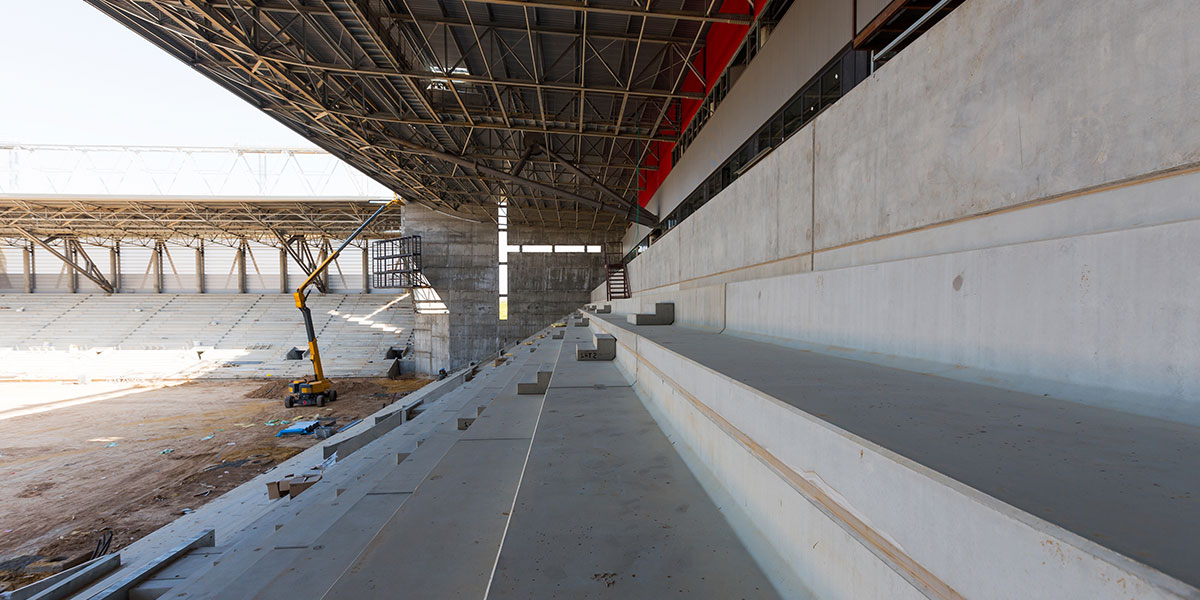
The seating bowl is the heart of a stadium. For a 25,000 seat stadium, engineers carefully design the tribune layout to ensure maximum visibility, comfort, and safety.
Key elements of grandstand design:
- Modular steel structures: These systems provide durability, fast installation, and long-term structural stability.
- Sightline optimization: Each seat is positioned based on precise calculations so every spectator has a clear and unobstructed view of the pitch.
- VIP, accessible, and premium sections: Additional comfort, wider entrances, and special seating configurations are integrated into the design.
With the tribune structure completed, the next step is to install the stadium roof.
4. Roof Installation and Protective Systems
The roof is both an architectural feature and a functional requirement. It protects spectators from weather and enhances the stadium’s visual identity.
Important aspects of roof construction:
- Use of lightweight steel trusses or membrane systems to span large areas.
- Engineering for snow, wind, and sun exposure.
- Integration of natural-light panels for energy efficiency.
- Placement of lighting fixtures, audio systems, and safety equipment.
The roof system is designed to complement the stadium’s overall geometry while maintaining structural reliability.
5. Pitch Construction and Professional Turf Installation
No stadium is complete without a high-quality playing field that meets international standards. The pitch directly affects athlete performance, so meticulous installation is essential.
Main steps of pitch preparation:
- Highly permeable sub-base and drainage network installation
- Shock-absorbing layers to minimize injury risk
- Selection of artificial grass, natural grass or hybrid turf depending on climate and usage frequency
- Correct marking of the field in accordance with FIFA regulations
Hybrid turf systems, where synthetic fibers reinforce natural grass, are commonly preferred for durability and year-round performance.
6. Digital Infrastructure and Visual Technologies
Modern stadium construction requires advanced digital systems to enhance safety, entertainment, and broadcasting capabilities.
These include:
- Giant LED scoreboards and replay screens
- LED perimeter advertising panels
- Professional sound and announcement systems
- Smart entrance gates, CCTV networks, and central control rooms
These technologies elevate the stadium to international hosting standards.
7. Exterior Landscaping and Visitor Experience
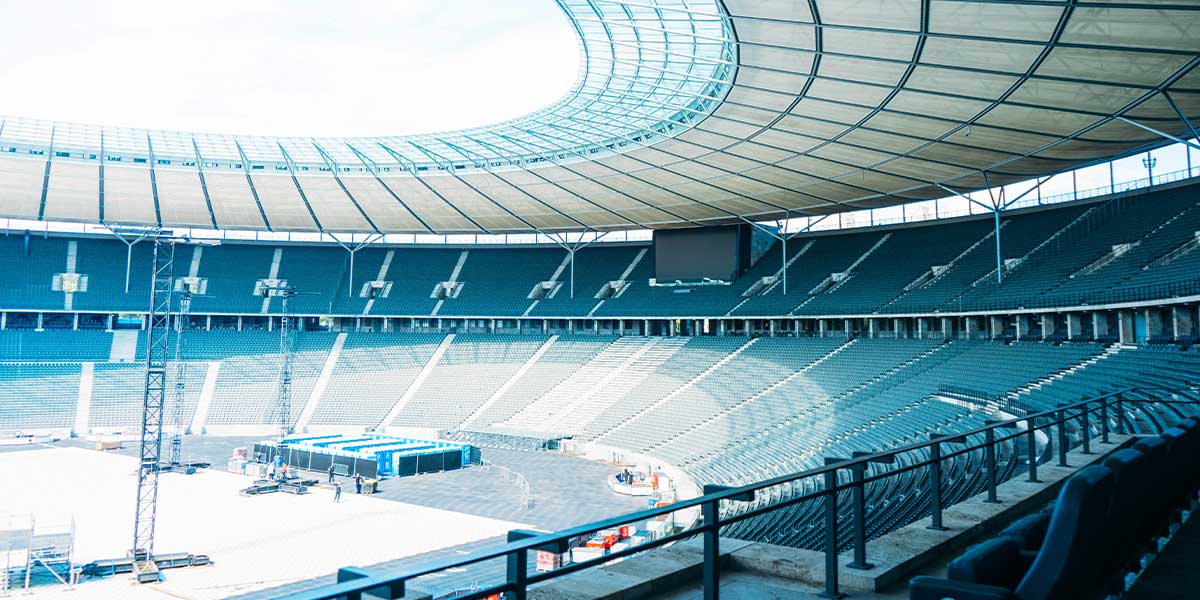
The surroundings of a stadium play a major role in visitor satisfaction. A well-planned exterior environment ensures smooth access and enjoyable pre-event activities.
Typical outdoor features:
- Large parking areas, pedestrian paths, and shuttle access routes
- Green spaces, seating areas, and landscape elements
- Commercial zones including cafés, retail shops, and event plazas
A well-designed exterior transforms the stadium into a year-round attraction rather than a single-purpose venue.
8. Media, Broadcasting, and Operational Facilities
To host large sports events, a stadium must provide professional media and broadcasting environments.
These spaces include:
- Press tribunes and dedicated commentator booths
- Interview zones and broadcast production rooms
- High-capacity internet infrastructure for live streaming
Such facilities significantly increase the stadium’s value and global reach.
A Stadium Built for the Future
The construction of a 25,000 seat stadium is a transformative investment for any city. When designed with modern engineering, durable materials, and visitor-focused planning, a stadium becomes a long-term asset that serves sports clubs, communities, and major organizations alike.
For investors, municipalities, and sports institutions planning such a project, partnering with an experienced team is essential. Integral Grandstand provides engineering expertise, high-quality manufacturing, and turnkey solutions for stadium construction worldwide.